Robin Cappaert

Robin Cappaert
Thesis Topic
Influences on composition and ecology of biofouling communities associated with salmon aquaculture
PhD Start Date
May 2022
PhD Project Objectives
Biofouling, the growth of unwanted organisms on submerged surfaces, is a big issue in the aquaculture sector with large direct costs of cleaning and indirect costs of reduced animal welfare and infrastructure damage.
My project will aim to introduce novel ways for the Tasmanian salmon industry to better monitor and assess the biofouling pressures at certain times of year and at specific sites. These monitoring systems can draw inspiration from other industries to provide a more holistic view on the issues of marine biofouling. Initially, biofouling communities will be characterized on a micro- and macro-scale, across a gradient in time and exposure to wave actions and human interactions.
Their settlement, colonisation and succession on certain substrates will be followed and analysed by frequent sampling. These ecological datasets will reveal how certain environmental parameters and seasonality influence community assemblages at Tassal‘s farms in South-eastern Tasmania. Afterwards, initial steps to anticipate large biofouling events on sites will be taken through a preliminary predictive framework. The value that this research will then bring to Tassal and the salmon industry as a whole is an improved timing and better understanding of what biofouling management option would be optimal in a specific situation. As an extension to the predictive model, ways to utilize and valorise captured biofouling biomass will be explored to better integrate the salmon industry within a circular economy.
Biography
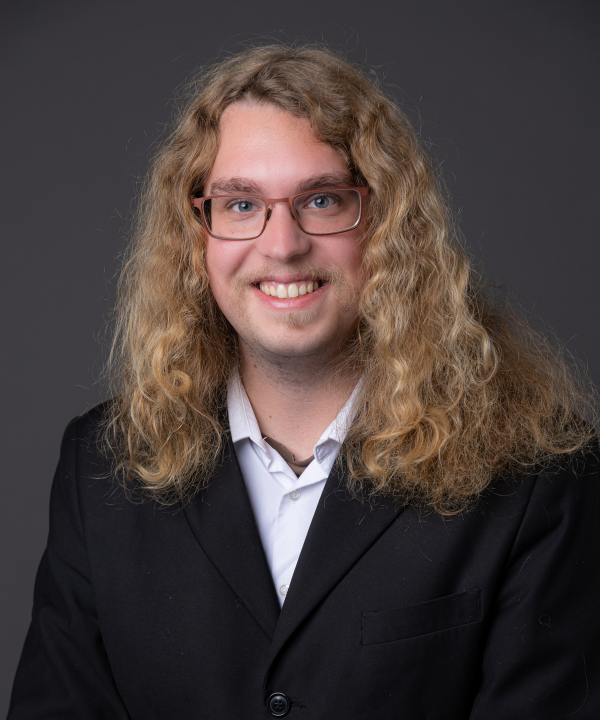
Hi, my name’s Robin and I just moved from Belgium to Tasmania. I’m a bio-engineer by training with interests in aquaculture, aquaponics and sustainable ways of food production in general. I’m a big fan of doing research that has useful applications to the business world, such as this project and I’m glad to have the opportunity to work with the Blue Economy, Tassal and UTAS. Outside of work, I like to go hiking in nature and explore around Tassie! I also enjoy learning about new cultures and talking about Belgium to anyone who’s interested.
Supervisory Team
Primary Supervisor: Dr. Camille White
University of Tasmania
Co-Supervisor: Prof. Jeff Ross
University of Tasmania
Co-Supervisor: Prof. Catriona MacLeod
University of Tasmania